Weaving It Together : User
Testing for Cultural Interactives
Project Goals:
Work as strategic liaison between Curatorial Department and Exhibitions Department to develop best methods of engagement with key audiences.
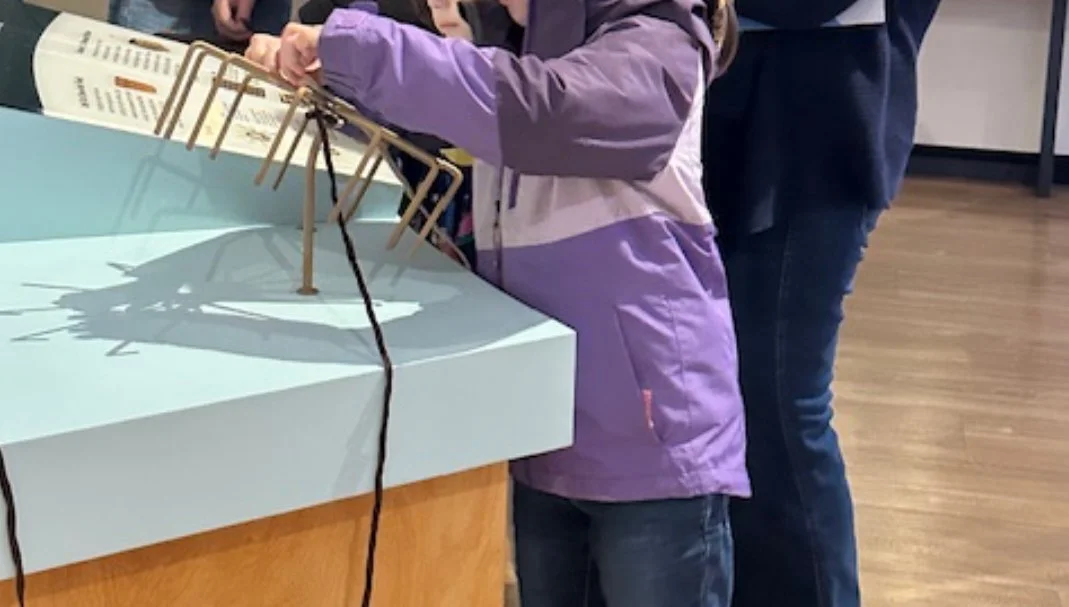
Develop a research protocol and conducted iterative human-subject research with 12 participants using structured interviews and observational methods
Test two prototype weaving interactives to ensure instructions were clear and intuitive.
Evaluate whether the hands-on activities were immersive for a wide range of visitors.
Assess how effectively the interactives communicated core messages about Cherokee and Łingít weaving traditions and their ecological and cultural significance.
Observe natural visitor behavior to understand how people navigate text, visuals, and tactile components.
Skills:Research design, mixed-methods user research, consumer and visitor insights, prototype testing, data synthesis, data storytelling, usability evaluation, and translating findings into strategic recommendations to improve experience and exhibit design.
Timeline: June 2025 - August 2025
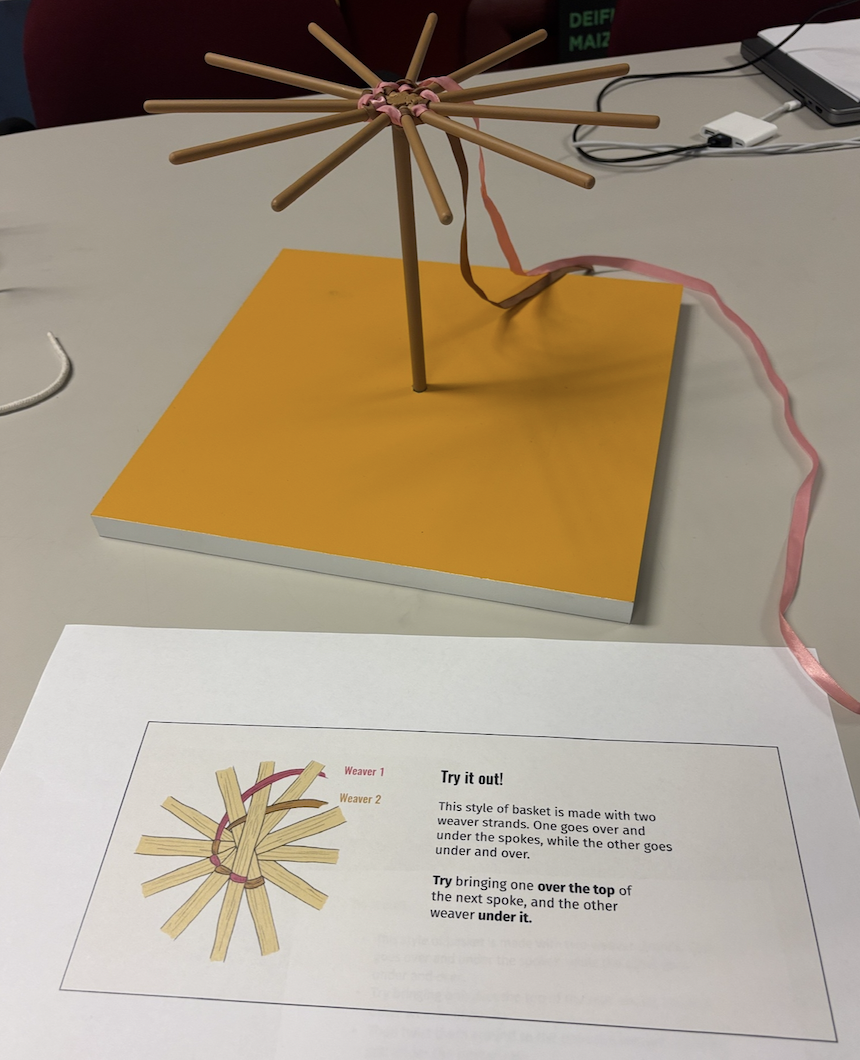
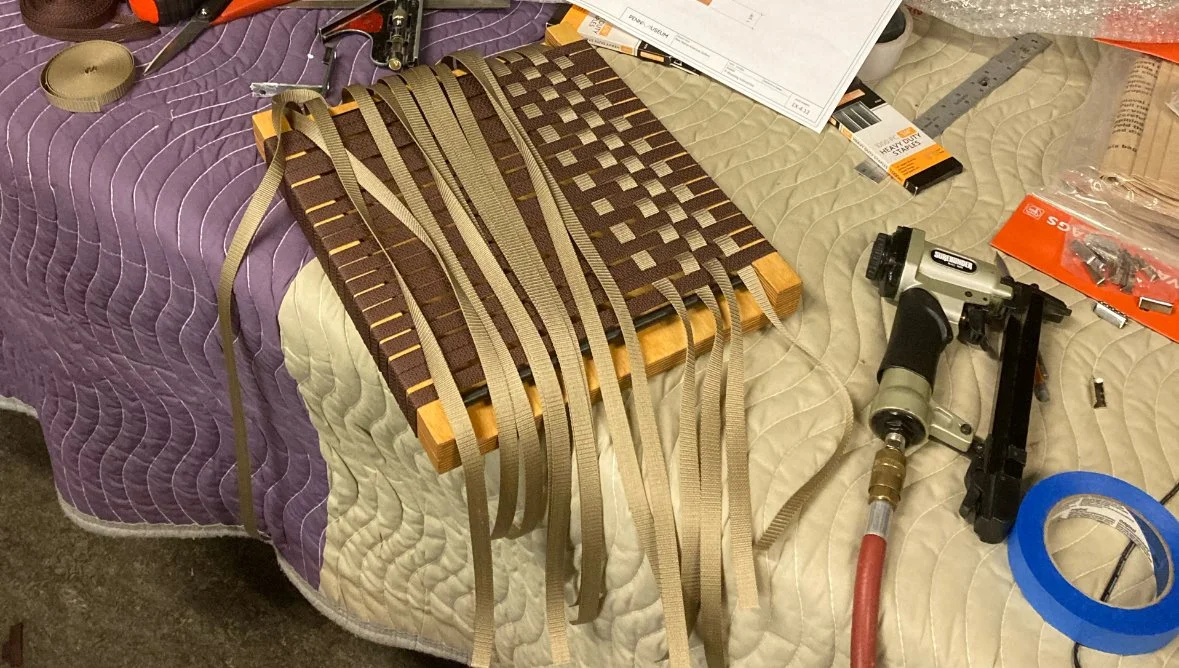
Initial prototype designs
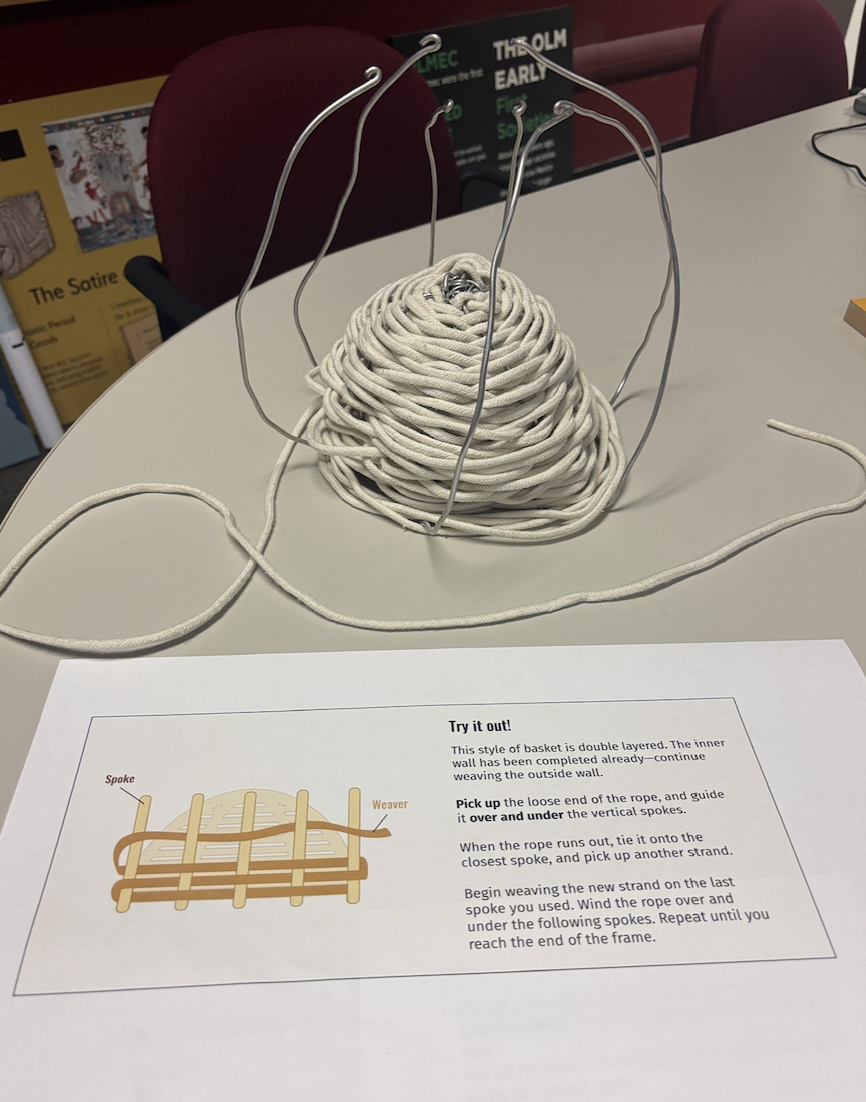
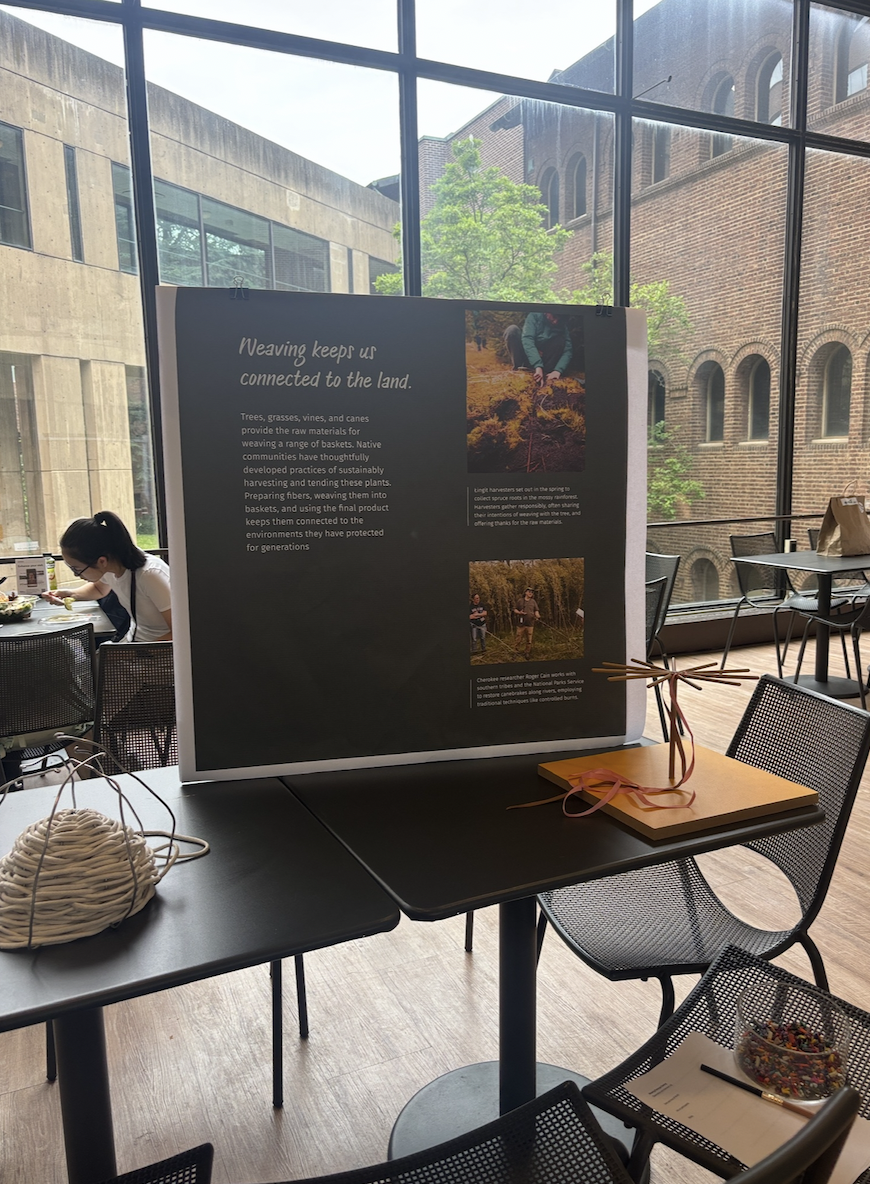
Recruitment & testing
Key Findings:
Visitors demonstrated strong understanding of key themes: time, skill, ecological connection, and active continuity of Indigenous weaving traditions.
Average engagement time was 5.5 minutes, with more sustained participation in the Łingít interactive.
Participants often skipped instructions unless stuck, faced confusion around unclear mechanics, or felt limited by partially completed setups.
Future Considerations:
Many users skipped written instructions, relying instead on visuals—highlighting the need for stronger affordances and intuitive entry points.
Participants often missed key mechanics (e.g., spinning spokes), revealing gaps in clarity and discoverability.
Overly pre-completed setups limited meaningful interaction, while open-ended setups created uncertainty about where to begin.
Engagement patterns showed visitors stayed longer when they could make visible progress, emphasizing the importance of achievable, guided steps.
Updates and results!