A Replication of Wen and Haggard (2018): EEG Analysis
To learn more about our project, take a look at my write-up.
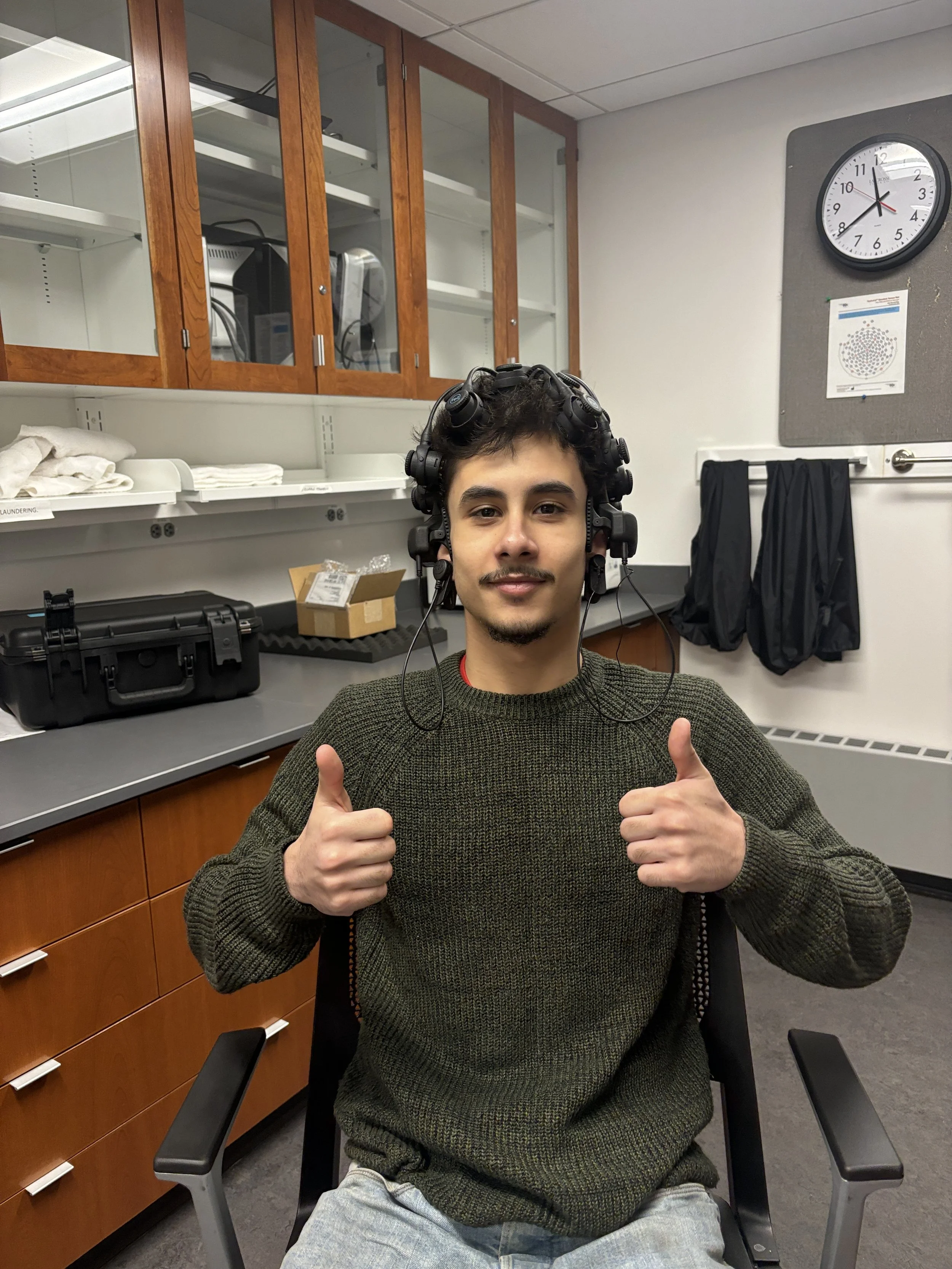
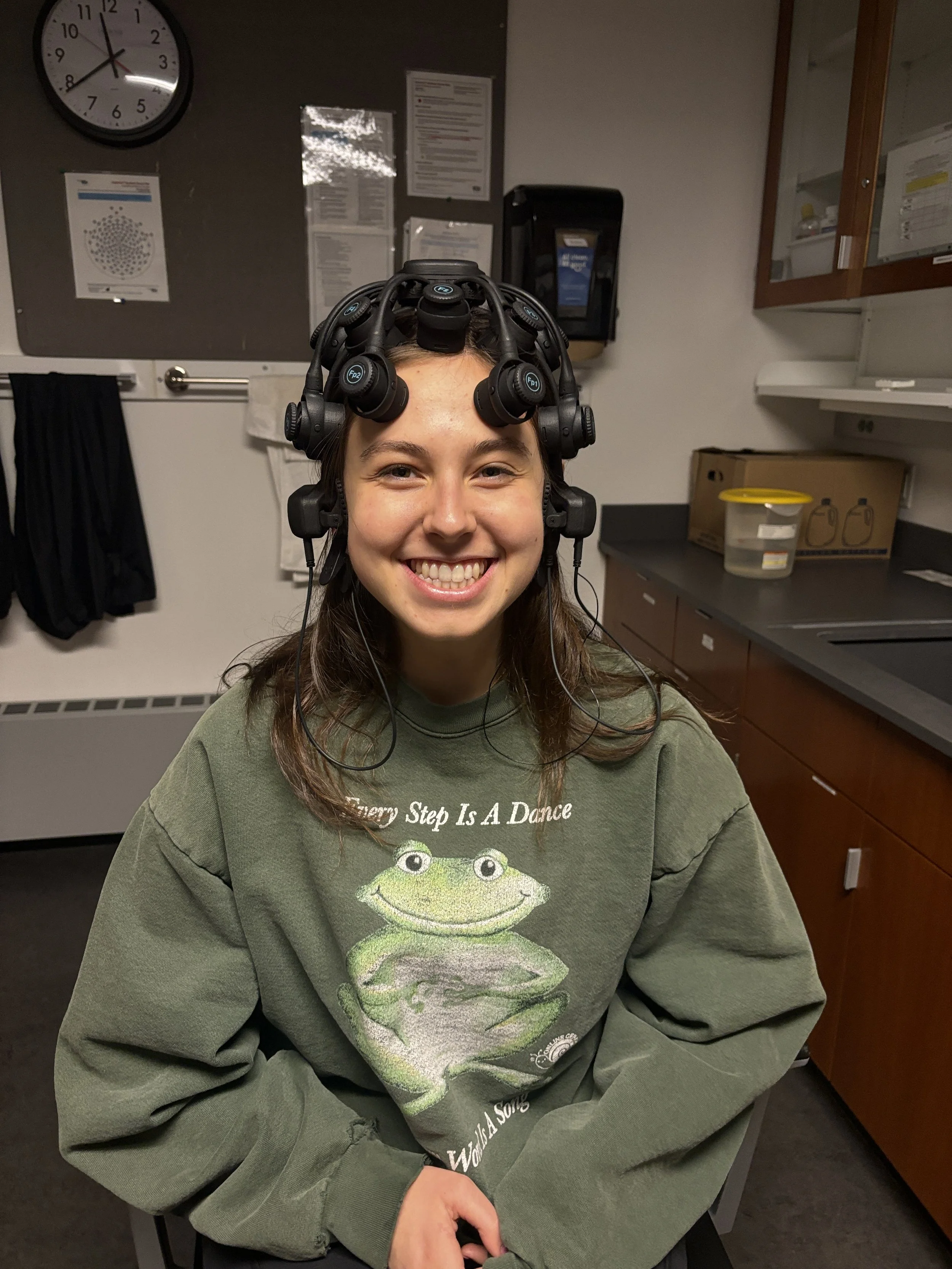
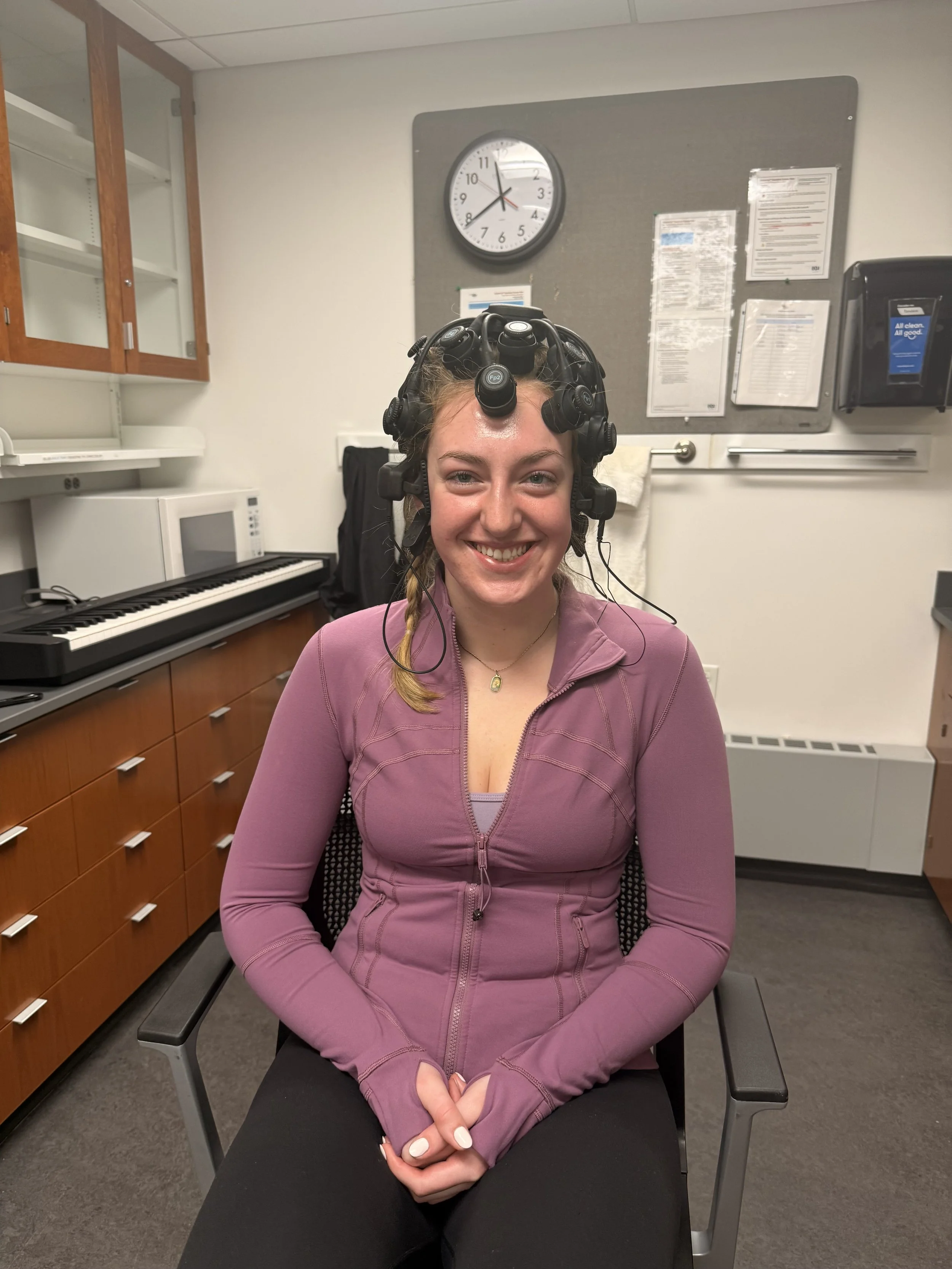
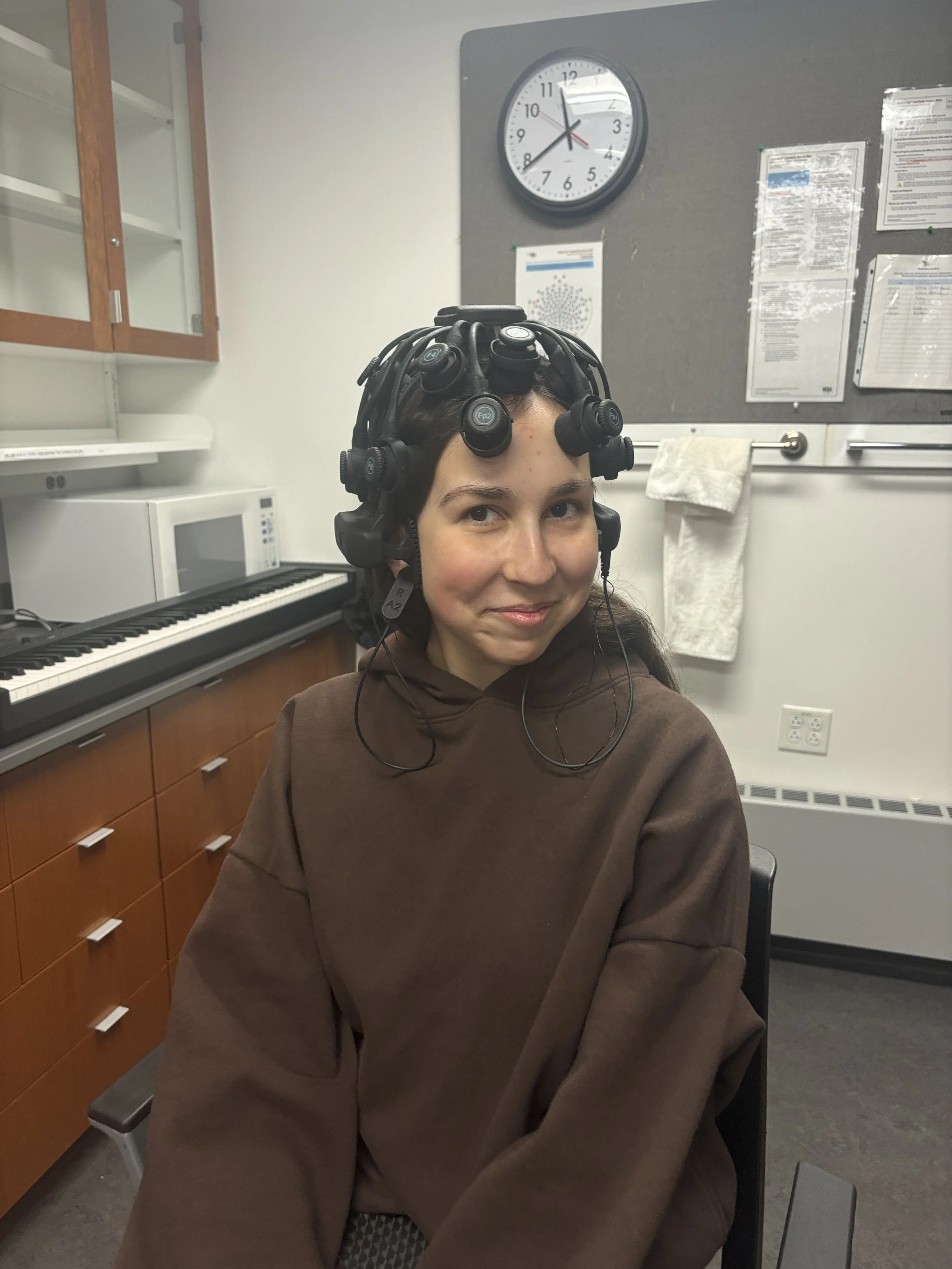
This project is a pre-registered EEG replication of Wen and Haggard’s study on the neural relationship between control, attention, and agency. Using a visual search paradigm and 46 participants, we examined how individuals respond to gains and losses of control, both behaviorally and via event-related potentials (ERPs).
Along the way, I learned how to schedule and recruit participants, record EEG data, interpret ERP signals like the P170 and P300, and think critically about what brain activity can (and can’t) tell us about complex ideas like agency. We didn’t fully replicate the original findings, which taught me a lot about the realities of research and why replication matters.
Beyond the science, this project helped me grow as a researcher. I gained confidence with data analysis, practiced open science practices, and learned how to clearly communicate results to different audiences.
Skills: EEG setup and recording, ERP analysis, RStudio, data visualization, experimental design, pre-registration, open science, scientific writing, ethical research practices.
How Skill Affects Perception of Control
To learn more about our project, take a look at my group’s write-up.
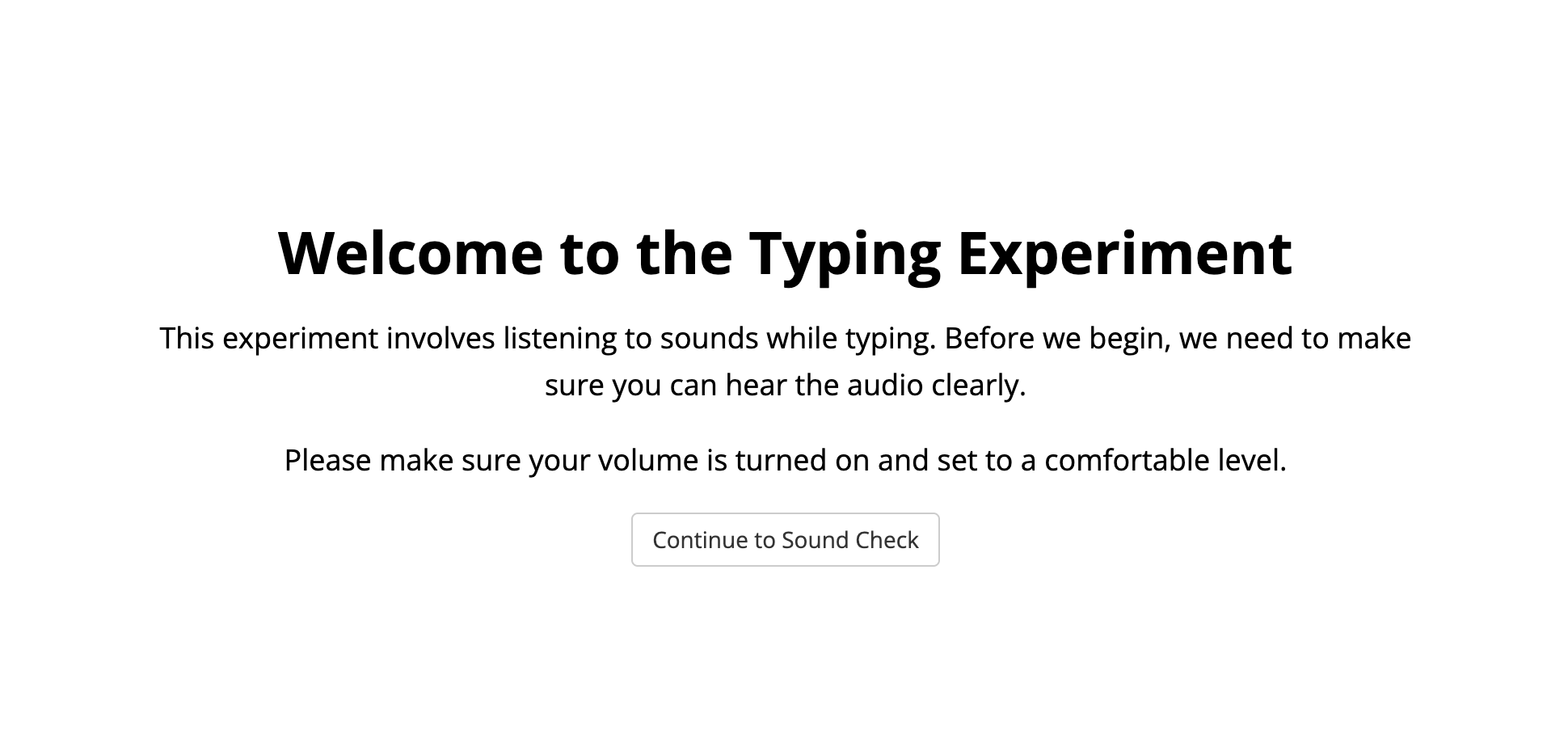
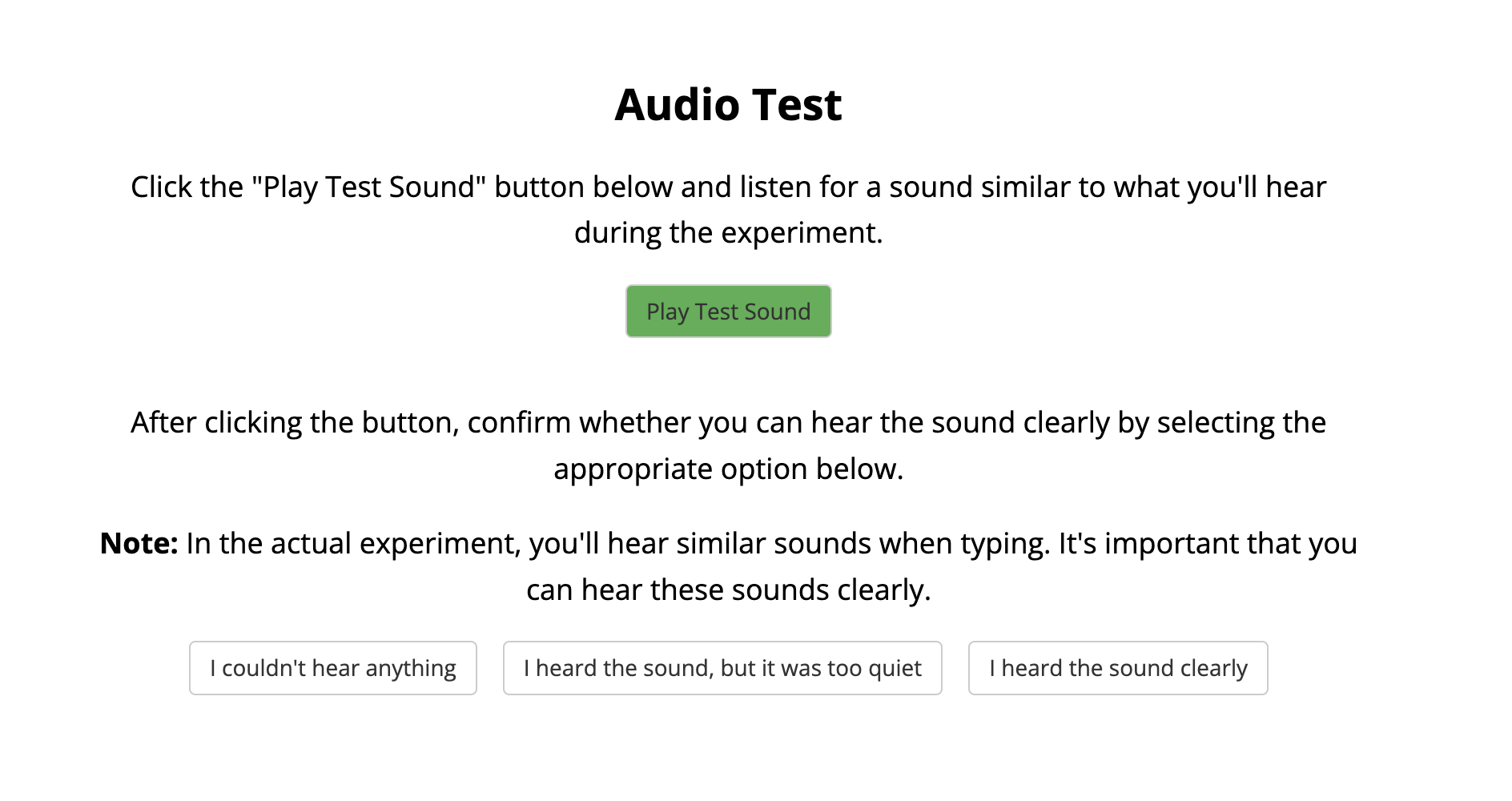
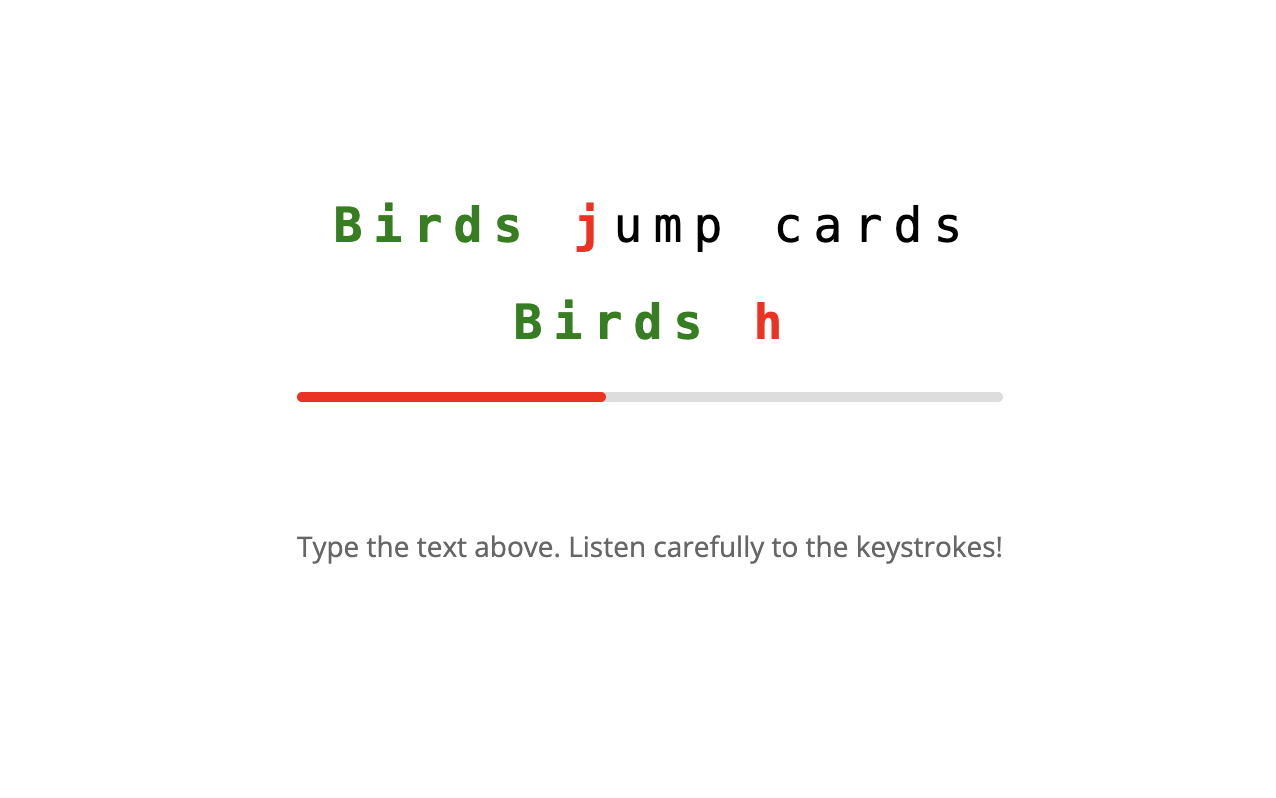
For this project, I helped design and run an online study exploring how skill level—like typing real words vs. nonword sentences affects our sense of control. The idea was to see whether doing something you're skilled at makes you feel more or less in control,
We pre-registered the experiment, built the task using jsPsych, and collected data from over 70 participants on Prolific. I mainly worked on helping design the study and co-writing the introduction and discussion, reflecting on how attention, skill, and agency interact.
This project gave me real-world experience with open science practices, collaborative research, and the challenges of behavioral data. It taught me that making research transparent, rigorous, and ethical takes work that’s equally necessary and rewarding, and that having an awesome group to work with makes it all the more enjoyable :) .
Skills: scientific writing, collaborative research, behavioral methods, jsPsych, R, data visualization, preregistration, open science, critical thinking, research ethics
Understanding How Beginners Learn: Insights from Dance-Based Experimentation
Project Goals:
Investigate how novice dancers learn choreography under two practice conditions— marking vs. full-out movement— to assess which better supports early-stage motor skill acquisition.
Quantitatively compare performance outcomes across sequence memory, musicality, technical accuracy, and dynamics to test whether full-out practice benefits novices more than marking.
Examine how learners’ body awareness, dance knowledge, and attitudes relate to performance quality through correlational analyses.
Integrate qualitative reflections to enrich understanding of learners’ embodied experience, cognitive load, and perceived challenges.
Skills: experimental design, mixed-methods research, statistical analysis (t-tests, correlations), data interpretation, behavioral insights, user learning analysis
Key Takeaways:
Quantitative
Full-out practice led to significantly higher technical accuracy (6.40 vs. 3.62; t = 3.32, p = .00097) and dynamics (6.45 vs. 4.38; t = 2.79, p = .004).
No meaningful differences in sequence memory (8.15 vs. 7.43; p = .147) or musicality (9.15 vs. 7.86; p ≈ .046, ns after correction), suggesting these depend more on chunking and musical structure than practice style.
Musicality × sequence memory showed a very strong correlation (r = .901, p < .001), indicating novices relied heavily on rhythm to organize movement.
Higher body awareness (r = .451, p = .003) and dance knowledge (r = .484, p = .001) moderately predicted better technical accuracy.
Qualitative
Novices found marking too minimal to support timing, range, or spatial precision.
Full-out learners reported deeper engagement but also coordination challenges and cognitive load.
Many used naming, counting, and segmentation, aligning with quantitative evidence of chunking.
Feelings of embarrassment or low coordination shaped learners’ sense of control and confidence.
Future Considerations:
Test whether musical vs. verbal chunking cues differentially support novices’ sequence memory and musicality, given the strong relationship between these measures.
Incorporate behavioral measures of motor ability (e.g., proprioceptive matching, balance tasks) to complement or replace self-reported body awareness.
Use multiple expert raters to increase reliability of technical evaluations and reduce dependence on single-rater interpretation.
Explore hybrid learning conditions that combine guided marking with strategic full-out practice to modulate cognitive load without sacrificing embodied accuracy.
Investigate whether different forms of sensory scaffolding (mirrors, haptic cues, visual overlays) can support novice dancers’ spatial orientation and body awareness.